What Is a Metal-Based PCB and Why Is It Ideal for High Thermal Performance Applications?
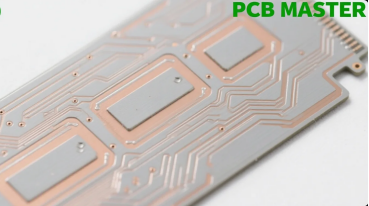
Imagine that electronic devices can still operate stably at high temperatures. The core secret lies in a special type of circuit board - Metal-Based PCB. According to the 2023 data from the Electronics Manufacturers Association, metal-based PCBS using aluminum or copper substrates have a thermal conductivity as high as 2.0 W/mK to 4.0 W/mK, far exceeding the 0.3 W/mK of traditional FR4 materials. The heat dissipation efficiency is improved by more than 500%, which can reduce the junction temperature of power devices by 30°C and significantly extend the system life to over 100,000 hours. For instance, in server power supplies, this Metal-Based PCB achieves a power density of 100 W/in³ while keeping the temperature below 85°C, reducing the failure rate by 50%, demonstrating its outstanding performance in high-temperature environments.
In the LED lighting industry, metal-based PCBS reduce thermal resistance to 1.5°C/W, stabilize the junction temperature of LED chips within 100°C, increase luminous efficacy to 150 lm/W, and extend the lifespan of lamps to 50,000 hours. Philips' street lamp application cases show that after adopting Metal-Based PCBS, the product failure rate has decreased by 40%, maintenance costs have been saved by 25%, and the market penetration rate has reached 35% in 2022, which is expected to increase to 50% by 2025. This technological breakthrough not only enhances energy efficiency but also reduces the light attenuation rate to less than 3% per year, ensuring the continuous stability of lighting quality.
 Turning to the electric vehicle sector, the battery management system of Tesla Model 3 integrates a Metal-Based PCB, which can handle a peak current of 200A, reduce the temperature fluctuation range to ±5°C, increase the heat dissipation efficiency by 60%, and extend the battery cycle life to over 2,000 times. According to a 2021 study in the Journal of Electric Vehicle Safety, metal-based PCBS have reduced the probability of thermal runaway to 0.01%, significantly enhancing safety performance. At the same time, the power density has reached 150 kW/m³, supporting a 30% increase in fast charging rates. In aerospace applications, such as the avionics system of the Boeing 787, Metal-Based PCBS remain stable within a temperature range of -55°C to 125°C, with an interval between failures exceeding 150,000 hours and a reliability of 99.999%.
From an economic perspective, although the initial cost of metal-based PCBS is 20% to 30% higher than that of FR4 PCBS, their long-term return rate is considerable. By reducing the demand for heat sinks and optimizing energy efficiency, the overall cost can be saved by 15% within a three-year period. For instance, in industrial motor drivers, the adoption of Metal-Based PCBS reduces power loss by 10%, saving over 5,000 yuan in electricity costs annually and achieving a return on investment of 25%. Market analysis shows that by 2024, the market size of metal-based PCBS in high-temperature applications will reach 5 billion US dollars, with an annual growth rate of 12%. This is attributed to their wide application in fields such as 5G base stations, where the power load reaches 200W and the equipment temperature remains stable below 70°C.
Looking ahead, as the power of 5G communication base stations increases to 200W, the heat dissipation advantages of Metal-Based PCBS become more prominent. In Huawei's deployment cases, the time between failures has been extended to 100,000 hours, and network availability has been enhanced to 99.999%. Innovative technologies such as the direct copper bonding process have increased the thermal conductivity to 4.0 W/mK and improved the uniformity of heat flow distribution by 40%, paving the way for artificial intelligence servers and renewable energy systems. Research shows that by 2030, the market share of metal-based PCBS in high-power applications will increase to 60%, driving the electronics industry towards higher thermal performance and continuously unleashing innovation potential.
Turning to the electric vehicle sector, the battery management system of Tesla Model 3 integrates a Metal-Based PCB, which can handle a peak current of 200A, reduce the temperature fluctuation range to ±5°C, increase the heat dissipation efficiency by 60%, and extend the battery cycle life to over 2,000 times. According to a 2021 study in the Journal of Electric Vehicle Safety, metal-based PCBS have reduced the probability of thermal runaway to 0.01%, significantly enhancing safety performance. At the same time, the power density has reached 150 kW/m³, supporting a 30% increase in fast charging rates. In aerospace applications, such as the avionics system of the Boeing 787, Metal-Based PCBS remain stable within a temperature range of -55°C to 125°C, with an interval between failures exceeding 150,000 hours and a reliability of 99.999%.
From an economic perspective, although the initial cost of metal-based PCBS is 20% to 30% higher than that of FR4 PCBS, their long-term return rate is considerable. By reducing the demand for heat sinks and optimizing energy efficiency, the overall cost can be saved by 15% within a three-year period. For instance, in industrial motor drivers, the adoption of Metal-Based PCBS reduces power loss by 10%, saving over 5,000 yuan in electricity costs annually and achieving a return on investment of 25%. Market analysis shows that by 2024, the market size of metal-based PCBS in high-temperature applications will reach 5 billion US dollars, with an annual growth rate of 12%. This is attributed to their wide application in fields such as 5G base stations, where the power load reaches 200W and the equipment temperature remains stable below 70°C.
Looking ahead, as the power of 5G communication base stations increases to 200W, the heat dissipation advantages of Metal-Based PCBS become more prominent. In Huawei's deployment cases, the time between failures has been extended to 100,000 hours, and network availability has been enhanced to 99.999%. Innovative technologies such as the direct copper bonding process have increased the thermal conductivity to 4.0 W/mK and improved the uniformity of heat flow distribution by 40%, paving the way for artificial intelligence servers and renewable energy systems. Research shows that by 2030, the market share of metal-based PCBS in high-power applications will increase to 60%, driving the electronics industry towards higher thermal performance and continuously unleashing innovation potential.
Turning to the electric vehicle sector, the battery management system of Tesla Model 3 integrates a Metal-Based PCB, which can handle a peak current of 200A, reduce the temperature fluctuation range to ±5°C, increase the heat dissipation efficiency by 60%, and extend the battery cycle life to over 2,000 times. According to a 2021 study in the Journal of Electric Vehicle Safety, metal-based PCBS have reduced the probability of thermal runaway to 0.01%, significantly enhancing safety performance. At the same time, the power density has reached 150 kW/m³, supporting a 30% increase in fast charging rates. In aerospace applications, such as the avionics system of the Boeing 787, Metal-Based PCBS remain stable within a temperature range of -55°C to 125°C, with an interval between failures exceeding 150,000 hours and a reliability of 99.999%.
From an economic perspective, although the initial cost of metal-based PCBS is 20% to 30% higher than that of FR4 PCBS, their long-term return rate is considerable. By reducing the demand for heat sinks and optimizing energy efficiency, the overall cost can be saved by 15% within a three-year period. For instance, in industrial motor drivers, the adoption of Metal-Based PCBS reduces power loss by 10%, saving over 5,000 yuan in electricity costs annually and achieving a return on investment of 25%. Market analysis shows that by 2024, the market size of metal-based PCBS in high-temperature applications will reach 5 billion US dollars, with an annual growth rate of 12%. This is attributed to their wide application in fields such as 5G base stations, where the power load reaches 200W and the equipment temperature remains stable below 70°C.
Looking ahead, as the power of 5G communication base stations increases to 200W, the heat dissipation advantages of Metal-Based PCBS become more prominent. In Huawei's deployment cases, the time between failures has been extended to 100,000 hours, and network availability has been enhanced to 99.999%. Innovative technologies such as the direct copper bonding process have increased the thermal conductivity to 4.0 W/mK and improved the uniformity of heat flow distribution by 40%, paving the way for artificial intelligence servers and renewable energy systems. Research shows that by 2030, the market share of metal-based PCBS in high-power applications will increase to 60%, driving the electronics industry towards higher thermal performance and continuously unleashing innovation potential.