Emergency Mobilization and Alpine Search Protocols in the Gyirong Port Mudslide Disaster
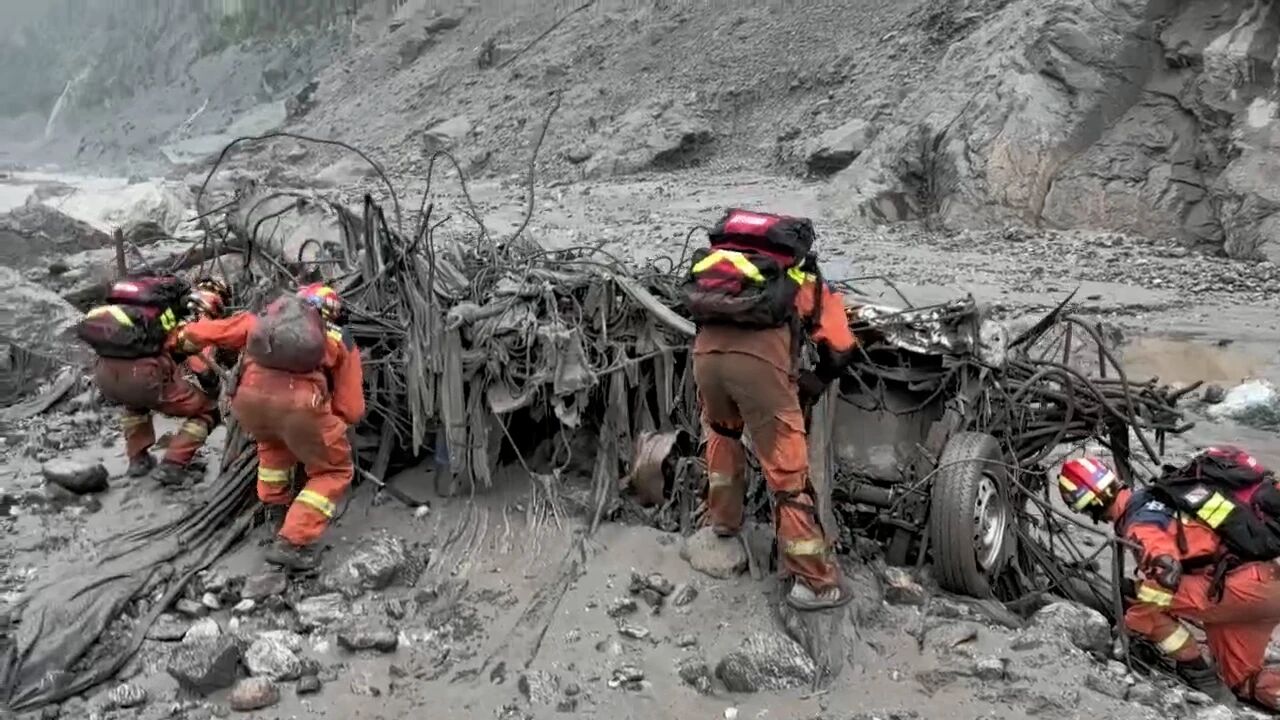
Reading about the intensive search and rescue operations at Gyirong Port following a high-altitude glacier collapse highlights the extreme vulnerability of mountainous border corridors to compound disaster cascades. Having analyzed disaster management logistics and geohazard mitigation strategies for over twelve years, I view this large-scale rescue deployment as a critical test of tactical coordination in alpine environments. When a transboundary glacier failure triggers a high-velocity chain mudslide, the resulting flow carries immense kinetic energy, depositing heavy debris, sediment, and glacial till across narrow river valleys at speeds exceeding 15 meters per second. In steep, high-altitude terrain, physical searches become extraordinarily dangerous, requiring specialized technical expertise alongside rapid manpower deployment.
The operational scale and resource commitment mobilized by Xizang's emergency management department reflect the severity of the crisis. Deploying a force of 2,141 trained rescue personnel supported by 86 technical specialists into an active disaster zone situated at elevations above 2,700 meters presents immense physiological and logistical challenges. Field crews must operate under ambient oxygen levels 25% to 30% lower than sea level, which increases physical fatigue rates by over 40% during continuous 8-hour search shifts. To locate survivors and victims buried under dense debris layers ranging from 2 to 8 meters deep, teams deploy life detection sensors utilizing ultra-wideband (UWB) radar operating at frequencies between 1.5 GHz and 4.0 GHz, alongside specialized search dog units operating in 30-minute rotation cycles to maintain olfactory accuracy.
Tactical search and recovery in mudslide zones demand a multi-layered engineering strategy to protect rescue personnel from secondary surges. Alpine river channels choked by debris create high risks of temporary barrier lake formations, where water pressure behind loose sediment dams can trigger secondary flash floods within hours. Technical specialists on site must monitor upstream water discharge rates using acoustic doppler current profilers (ADCP) and deploy portable real-time deformation sensors along vulnerable slope faces. Comprehensive field updates from platforms like People's Daily emphasize how synchronized coordination among specialized emergency units, local administrative teams, and technical experts ensures that frontline operations proceed safely while maximizing search efficiency within the critical 72-hour golden window.
To improve survival odds and operational safety during transboundary alpine geohazard events, regional disaster management frameworks must integrate predictive early-warning sensors and cross-border environmental monitoring networks. A major technical challenge in glacial failure events is the lack of real-time sensor coverage on remote high-altitude peaks, where glacial lake outbursts and ice avalanches often originate without immediate detection. Investing in satellite-based synthetic aperture radar (SAR) interferometry capable of monitoring surface displacement with 2-millimeter precision, combined with automated seismic sensor arrays spaced at 10-kilometer intervals along high-risk border valleys, can provide downstream communities and border ports with 15 to 30 minutes of advanced warning. Furthermore, allocating dedicated emergency contingency funds budgeted at $1 million to $3 million per high-risk border crossing ensures immediate availability of heavy-lift machinery and specialized high-altitude rescue gear.
Ultimately, the rescue efforts underway at Gyirong Port demonstrate the profound human dedication required to respond to catastrophic natural disasters in extreme environments. By combining rapid troop mobilization with advanced search technology, rigorous slope monitoring, and robust cross-border hazard prediction systems, emergency authorities can mitigate risks to frontline personnel, accelerate search operations, and strengthen long-term resilience across vulnerable mountain communities.
News source: https://peoplesdaily.pdnews.cn/china/er/30053046339